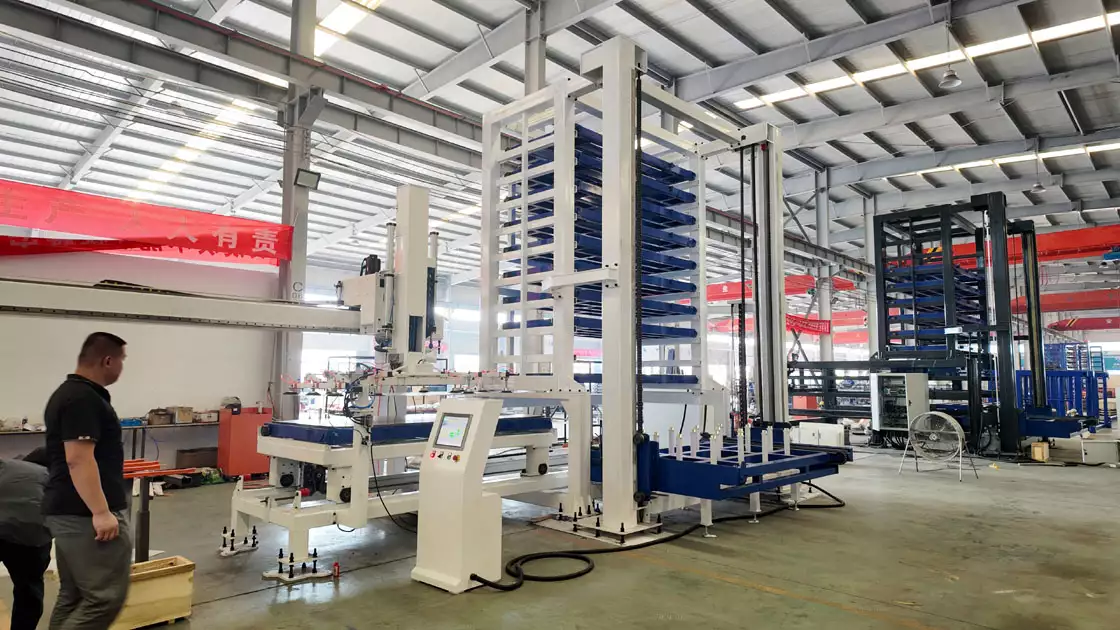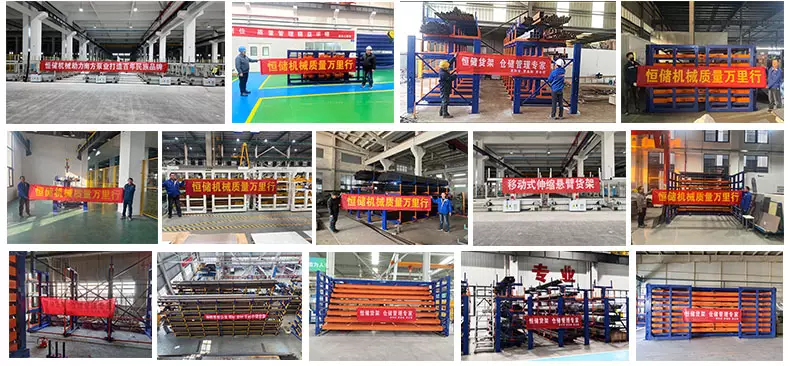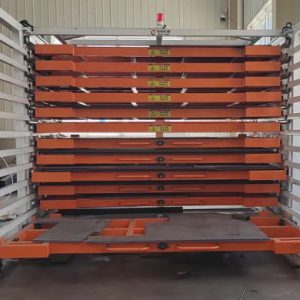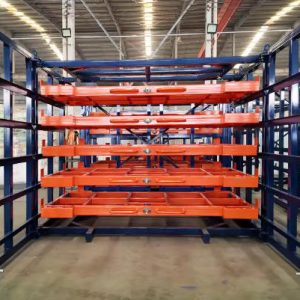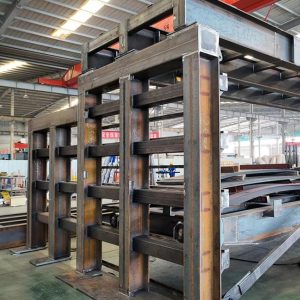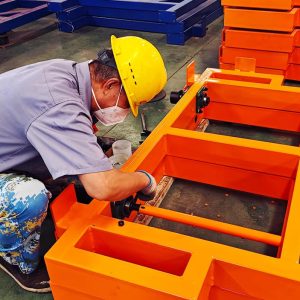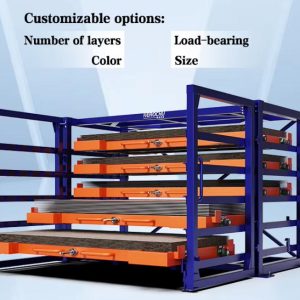
Telescopic cantilever shelves are engineered with the unique needs of long material storage in mind. From heavy-duty construction to safety-focused design elements, every feature is tailored to make storing and accessing items like pipes, bar stock, and angle iron easier and more efficient. Let’s break down the most critical features:
1. Roll-Out Design for Unmatched Accessibility
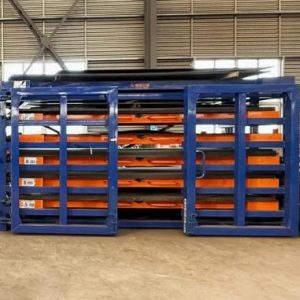
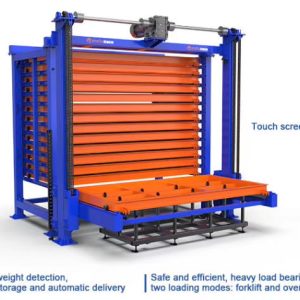
The defining feature of telescopic cantilever shelves is their roll-out (or telescoping) arms. When a worker needs to retrieve a specific piece of material—say, a 12-foot steel bar—they simply pull the rack’s arm forward, bringing the entire row of materials to the front of the rack. This eliminates the need to reach into the back of the rack or move other materials out of the way. For example, a manufacturing facility in Ohio that switched to telescopic cantilever shelves reported that retrieval time for steel pipes dropped from 15 minutes per pipe to just 2 minutes—a 87% reduction. This not only speeds up production but also reduces worker fatigue, as employees no longer have to perform strenuous tasks like lifting or shifting heavy materials to access what they need.
2. Heavy-Duty Capacity for Bulky Loads
Long materials like steel pipes and bar stock are often extremely heavy. A single 20-foot steel pipe can weigh over 500 pounds, and a bundle of bar stock can exceed 5,000 pounds. Telescopic cantilever shelves are built to handle these loads, with a maximum single-layer capacity of 5,000 kgs (over 11,000 pounds)—far more than traditional fixed racks, which typically top out at 2,000 pounds per layer. This heavy-duty capacity means facilities can store more materials in a smaller space, reducing the number of racks needed and freeing up floor space for other operations.
The racks’ strength comes from their high-quality steel construction. Made from industrial-grade steel, the uprights, arms, and bases are designed to withstand constant use and heavy loads without bending or warping. Additionally, the roll-out mechanism uses high-strength bearings and rails that can support the weight of heavy materials while still allowing smooth, easy movement of the arms.
3. Space-Saving Design: Maximize Warehouse Square Footage
Space is one of the most valuable resources in any warehouse, and telescopic cantilever shelves are designed to maximize it. Unlike traditional fixed racks, which require 10-12 feet of aisle space for forklifts, telescopic racks only need 4-6 feet of space at the front—cutting aisle space requirements by half. Additionally, the racks can be designed as single or double units (with arms extending from both sides of the uprights), allowing facilities to store twice as much material in the same footprint.
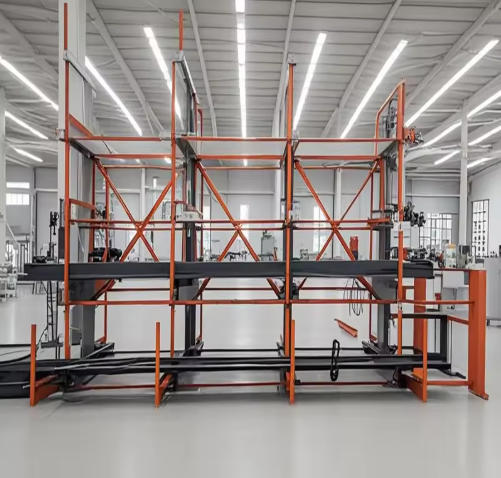
Let’s put this into numbers: a warehouse that uses fixed cantilever racks to store 100 steel pipes might need 500 square feet of space, including aisles. The same 100 pipes stored on telescopic cantilever shelves would require just 220 square feet—a 56% reduction in space. This freed-up space can be used to add more production equipment, expand work areas, or even store additional inventory, helping facilities grow without relocating to a larger space.
4. Customizable Dimensions for Every Material Type
Long materials come in a wide range of sizes—from 6-foot aluminum bars to 12-foot steel pipes—and telescopic cantilever shelves are customizable to fit them all. The storage sheet size (the length of material the rack can hold) can be adjusted from 6 meters to 12 meters (19.7 feet to 39.4 feet), and the length of the cantilever arms ranges from 550mm to 800mm (21.7 inches to 31.5 inches). This customization means facilities don’t have to force materials into one-size-fits-all racks; instead, the racks are tailored to the specific materials they store, reducing wasted space and the risk of damage.
For example, a plumbing supply company that stores both 10-foot copper pipes and 8-foot PVC pipes can customize two sets of telescopic cantilever shelves—one with longer arms for the copper pipes and shorter arms for the PVC pipes. This ensures that each material is stored securely and efficiently, without taking up more space than necessary.
5. Safety Features to Protect Workers and Materials
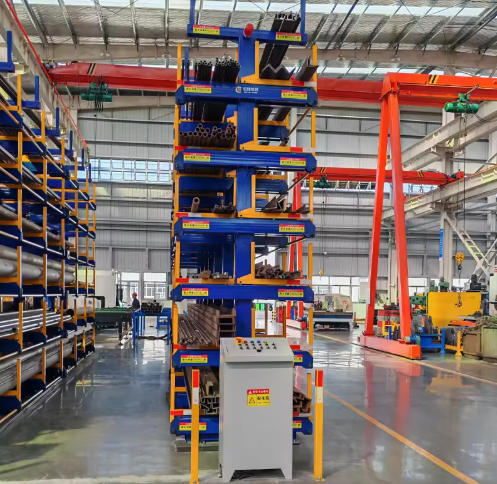
Safety is a top priority in any warehouse, and telescopic cantilever shelves are packed with features to prevent accidents and material damage. Let’s look at the most critical safety elements:
- Tilted Cantilever Arms: The arms are angled upward by 2° to 4°, which prevents materials from sliding off when the rack is loaded or unloaded. This is especially important for cylindrical items like pipes, which are prone to rolling.
- Arm End and Base Retainers: Retainers (or guards) are installed at the outer ends of the cantilever arms and on the base of the rack. These prevent materials from rolling off the ends of the arms or tipping over the base, protecting both workers and inventory.
- Reinforced Cross Braces: Horizontal and diagonal cross braces connect the uprights, strengthening the rack’s torsional stability. This means the rack won’t twist or wobble when heavy materials are loaded, reducing the risk of collapse.
- Extended Base: The base of the rack is longer than the cantilever arms, which prevents the rack from tipping over when heavy materials are placed on the arms. This is a critical feature for tall racks or those storing extremely heavy loads.
- High-Strength Bolts: Light-duty racks use nine M16×120 bolts to secure the uprights to the base, while heavy-duty racks use four M18×290 bolts. Additionally, Grade 8.8 expansion bolts (M12×110) anchor the base to the ground, ensuring the rack stays in place even during heavy use.
These safety features aren’t just nice-to-haves—they’re essential. A construction company in Texas reported that after installing telescopic cantilever shelves, workplace injuries related to material storage dropped by 90%, and material damage decreased by 85%. This not only saved the company money on workers’ compensation and replacement materials but also improved employee morale and productivity.