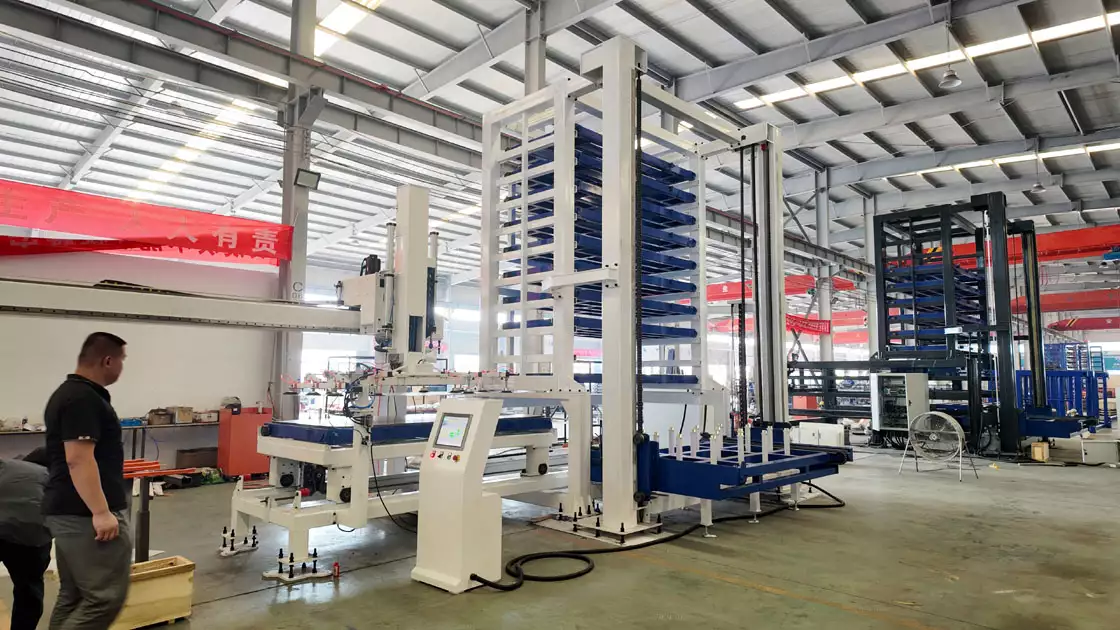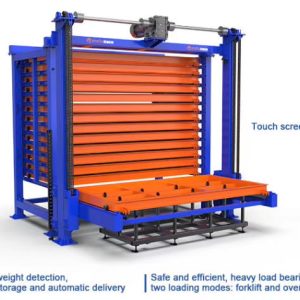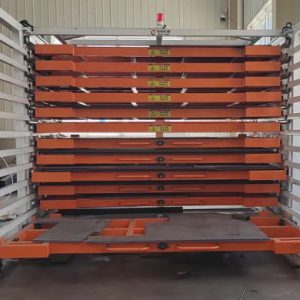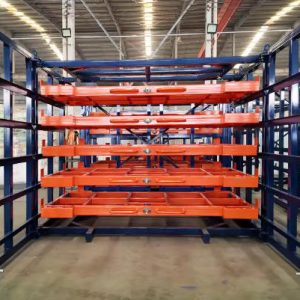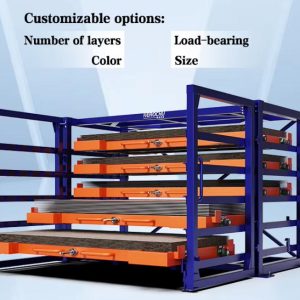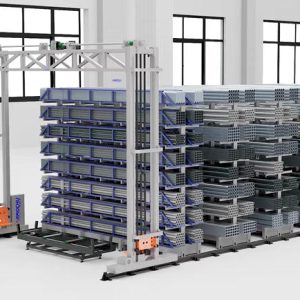
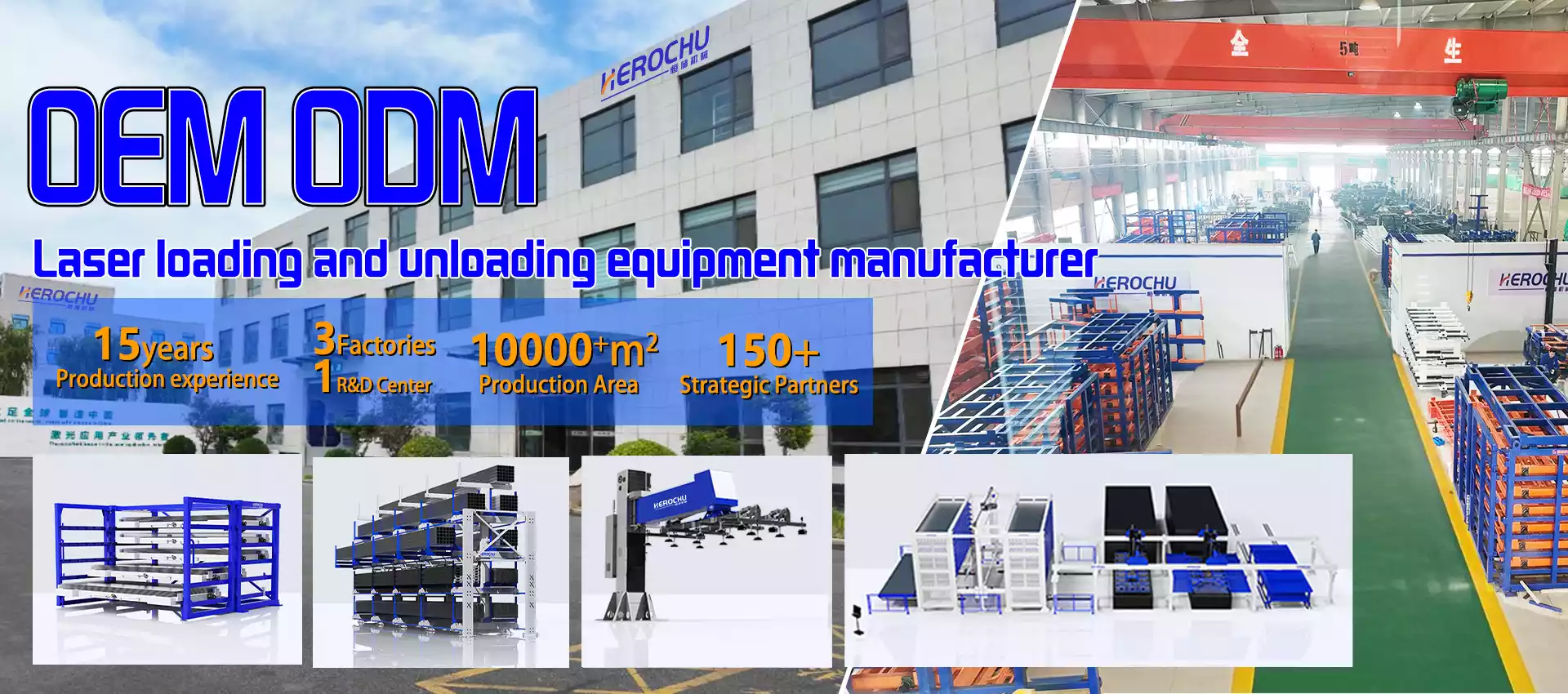
In the realm of modern manufacturing, laser cutting has emerged as a cornerstone technology for its ability to deliver precise, clean cuts across a wide range of materials. However, the efficiency of laser cutting operations is often bottlenecked by manual material handling— a process that is time-consuming, labor-intensive, and prone to errors. The Laser Cutting Loading Machine addresses this critical gap, serving as a high-performance automated auxiliary equipment that streamlines the laser cutting workflow, enhances precision, and boosts overall productivity.
At its core, the Laser Cutting Loading Machine is designed to automate the transportation of materials to the laser cutting equipment’s working table, eliminating the need for manual lifting, positioning, and alignment. This automation not only reduces the physical strain on workers but also minimizes the risk of human error— a key factor in industries where even the smallest misalignment can lead to wasted materials, rework, and missed production deadlines. Whether processing metal sheets, plastic panels, or composite materials, this machine ensures that every material piece is delivered to the cutting table with consistent accuracy, laying the groundwork for flawless laser cutting results.
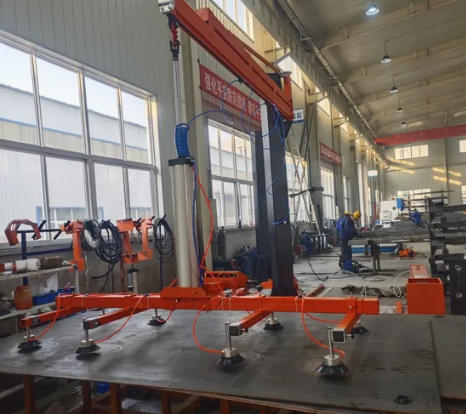
One of the defining features of the Laser Cutting Loading Machine is its versatile material handling mechanisms, which are tailored to accommodate different material types, sizes, and weights. The machine typically leverages three primary technologies: mechanical transmission, pneumatic systems, and vacuum adsorption. Each mechanism offers unique advantages, allowing the machine to adapt to diverse manufacturing needs.
Mechanical transmission, for instance, is ideal for handling rigid, heavy materials such as thick metal sheets. It uses a system of gears, belts, and rollers to grip and move materials with steady force, ensuring that even large, heavy pieces are transported smoothly without slippage. This makes it a top choice for industries like automotive manufacturing, where thick steel sheets are commonly used for body panels and structural components.
Pneumatic systems, on the other hand, rely on compressed air to generate force, making them suitable for lightweight to medium-weight materials. The pneumatic grippers are gentle yet firm, preventing damage to delicate materials like thin aluminum sheets or plastic panels— a critical requirement in the electronics industry, where materials often have sensitive surfaces or intricate designs.
Vacuum adsorption is another standout mechanism, particularly effective for materials with flat, smooth surfaces. By creating a vacuum between the machine’s suction cups and the material, the system securely holds the piece in place during transportation. This is especially useful for processing large-format materials, such as those used in signage production or architectural paneling, where even minor shifts can ruin the final product.
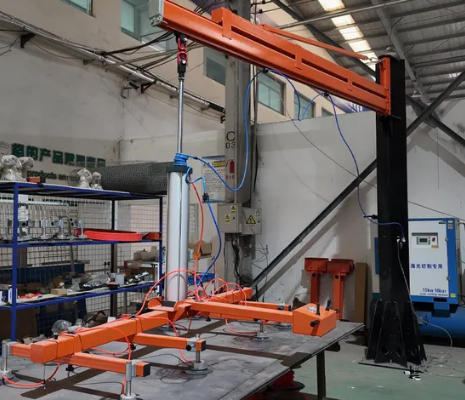
Beyond its material handling capabilities, the Laser Cutting Loading Machine is equipped with advanced intelligent features that enable seamless integration into automated production lines. It can automatically identify the position, size, and shape of materials based on preset procedures and digital instructions. This is made possible through a combination of sensors, cameras, and software algorithms that scan the material, collect data, and adjust the machine’s movements in real time. For example, if a batch of metal sheets has slight variations in size (a common occurrence in manufacturing), the machine can detect these differences and adjust its gripping and positioning to ensure each sheet is placed correctly on the cutting table. This level of adaptability eliminates the need for manual adjustments, saving valuable time and ensuring consistent quality across every cut.
Precision positioning is another area where the Laser Cutting Loading Machine excels. After identifying the material, the machine uses its precise drive systems— often powered by servo motors— to convey the material to the exact designated position on the laser cutting equipment. The positioning accuracy typically ranges from ±0.1mm to ±0.5mm, depending on the model, which aligns perfectly with the high precision requirements of laser cutting. This ensures that the laser follows the intended cutting path with minimal deviation, resulting in clean, accurate cuts that require little to no post-processing. For industries like aerospace, where components must meet strict dimensional tolerances, this level of precision is non-negotiable— and the Laser Cutting Loading Machine delivers it reliably.
The benefits of integrating a Laser Cutting Loading Machine into a production line extend far beyond precision and automation. Let’s consider the impact on productivity: a manual material handling process for laser cutting might take 5-10 minutes per sheet, including lifting, positioning, and double-checking alignment. With the automated machine, this time is reduced to 1-2 minutes per sheet. For a factory processing 100 sheets per day, this translates to a daily time savings of 400-900 minutes— or 6.5-15 hours. Over a year (based on a 240-day work year), this adds up to 1,560-3,600 hours of saved time, which can be redirected to other critical production tasks, such as increasing the number of cutting jobs or improving quality control.
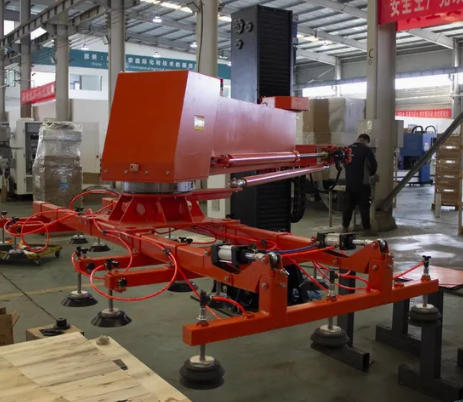
Labor cost savings are equally significant. Manual material handling often requires 2-3 workers per laser cutting station to keep up with production demands. The Laser Cutting Loading Machine reduces this requirement to just 1 worker, who can oversee the machine’s operation and handle any exceptions (such as material jams or sensor alerts). For a factory with 5 laser cutting stations, this means reducing the labor force by 5-10 workers— a substantial cost savings, especially in regions with high labor costs. Additionally, the machine reduces the risk of workplace injuries related to heavy lifting, which can lead to costly workers’ compensation claims and downtime.
Material waste reduction is another key advantage. Manual handling increases the risk of dropping materials, scratching surfaces, or misaligning sheets— all of which can render materials unusable. The Laser Cutting Loading Machine’s gentle, precise handling minimizes these risks, ensuring that more materials are used effectively. For example, a factory that typically experiences a 5% material waste rate due to manual handling might see this rate drop to 1% after implementing the machine.
The Laser Cutting Loading Machine is also designed for easy integration with existing laser cutting equipment, regardless of the manufacturer or model. It can be programmed to communicate with the laser cutter via standard industrial protocols (such as Ethernet/IP or Modbus), allowing for seamless coordination between the two machines. This means that factories don’t need to replace their existing laser cutting systems to benefit from automation— they can simply add the loading machine to their workflow, reducing the upfront investment and minimizing disruption to production.
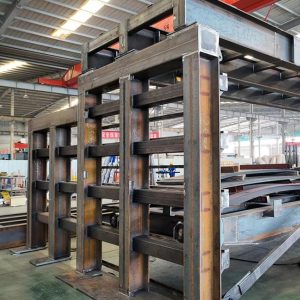
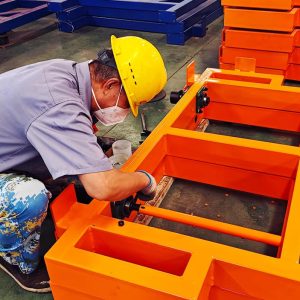
Durability is another critical factor in manufacturing equipment, and the Laser Cutting Loading Machine is built to withstand the harsh conditions of industrial environments. It features a robust steel frame that resists corrosion and damage from heavy use, as well as high-quality components (such as servo motors, pneumatic cylinders, and vacuum pumps) that are designed for long-term reliability. Most models come with a 1-2 year warranty, and the machine requires minimal maintenance— typically just regular cleaning of the suction cups, lubrication of moving parts, and periodic sensor calibration. This ensures that the machine remains operational for years, delivering a strong return on investment.
In conclusion, the Laser Cutting Loading Machine is more than just an auxiliary piece of equipment— it’s a transformative tool that revolutionizes laser cutting operations. Its automated material handling, versatile gripping mechanisms, intelligent material identification, and precise positioning capabilities make it an essential asset for any factory looking to enhance efficiency, reduce costs, and improve quality. Whether used in automotive, aerospace, electronics, signage, or architectural manufacturing, this machine adapts to diverse needs and delivers consistent results. For manufacturers struggling with manual material handling bottlenecks, the Laser Cutting Loading Machine is the solution that bridges the gap between laser cutting technology and optimal productivity.