Why Modern Metal Shops Are Switching to Depalletizers for Smarter Material Handling
Herochu Mechinery
The evolution of metal fabrication isn’t just about lasers, automation, or software—it’s also about how you handle the raw material before it ever reaches the machine. In progressive shops across North America and Europe, a quiet revolution is underway in the form of the sheet metal depalletizer. Far from being a niche tool, this system is rapidly becoming standard equipment for businesses serious about optimizing their material flow, protecting their workforce, and maximizing every square foot of warehouse space.
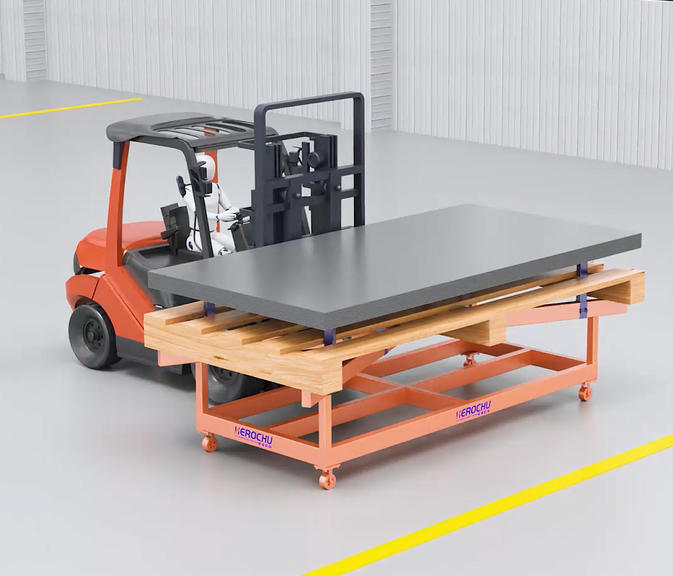
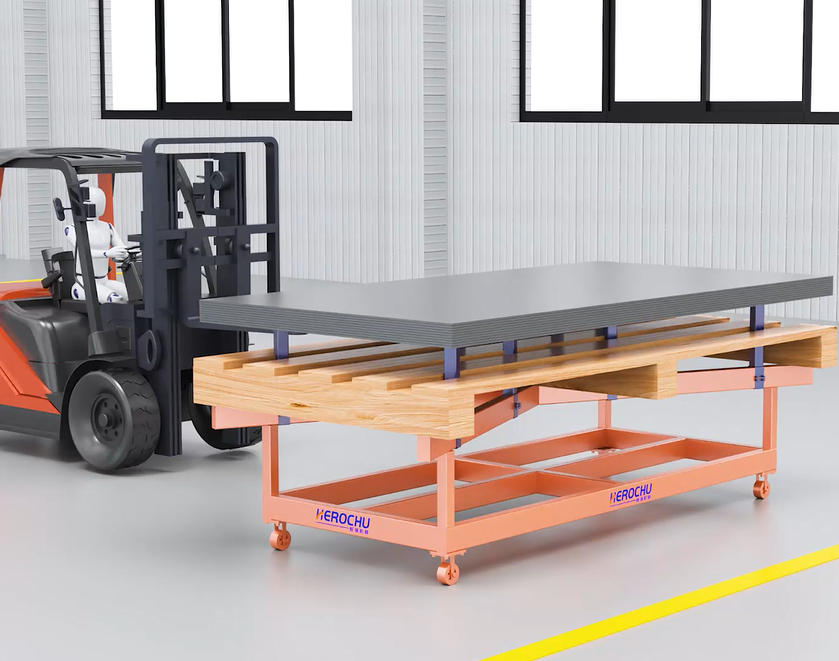
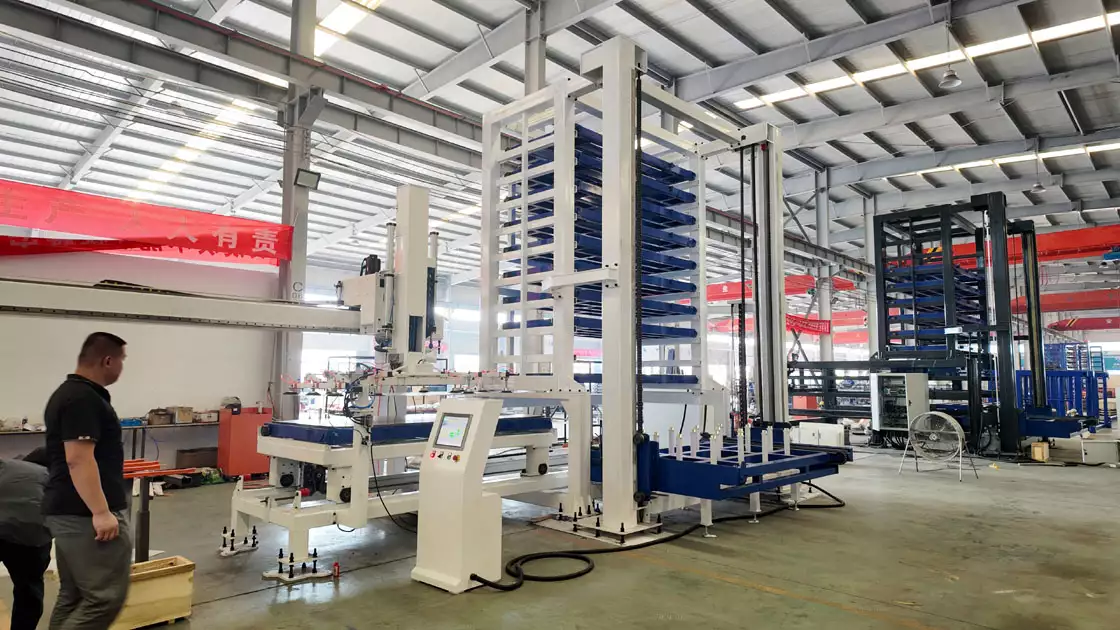
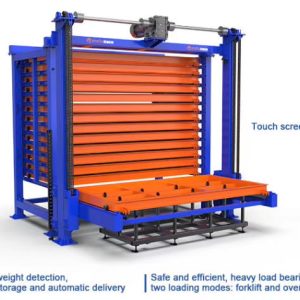
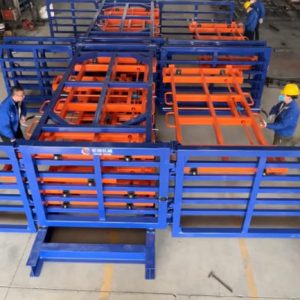
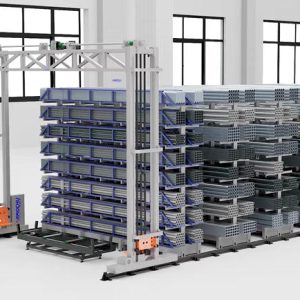
So what exactly makes a depalletizer so transformative? Unlike generic lifting devices, a depalletizer is engineered specifically for the unique challenges of sheet metal handling. It consists of a sturdy frame fitted with an array of vertical pins that rise to support a full stack of sheets from below. When paired with compatible steel rack pallets—which feature corresponding gaps between support bars—the system allows for smooth, damage-free transfer without ever touching the sheet surfaces directly.
This design addresses one of the industry’s oldest pain points: material damage during handling. Even minor scratches or bends can disqualify sheets for high-end applications, leading to costly write-offs. Traditional methods using vacuum lifters, edge clamps, or manual tilting often concentrate stress on small areas, increasing the risk of deformation. The depalletizer’s distributed pin support eliminates these pressure points, keeping sheets perfectly flat and pristine. Over time, this translates into measurable reductions in scrap and higher customer satisfaction due to consistent material quality.
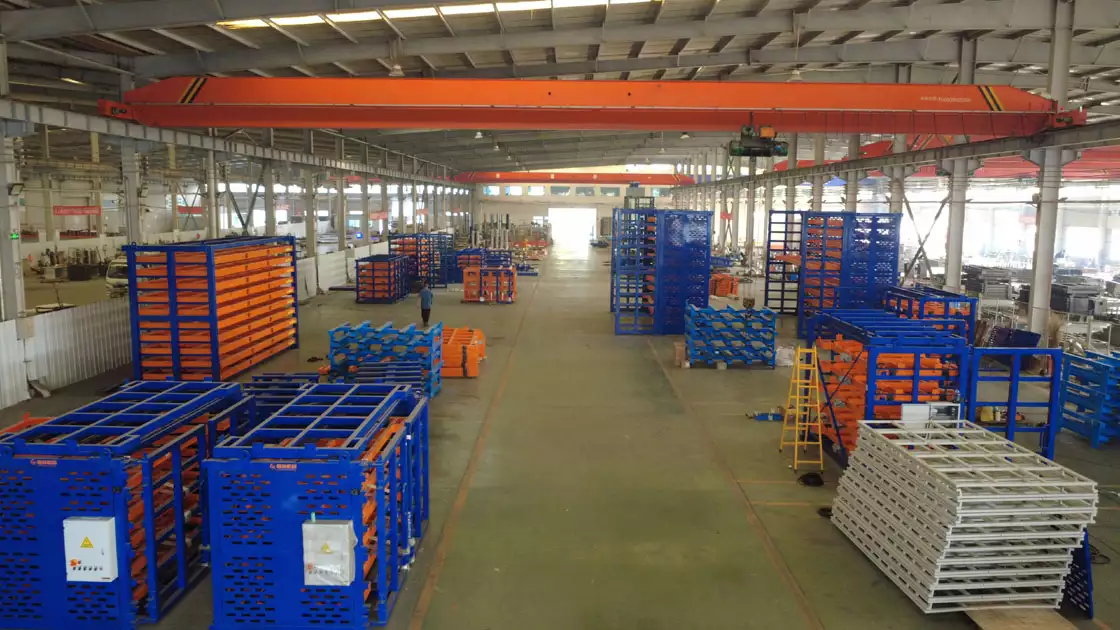
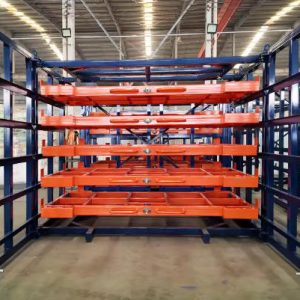
Metal plate depalletizer and material warehouse
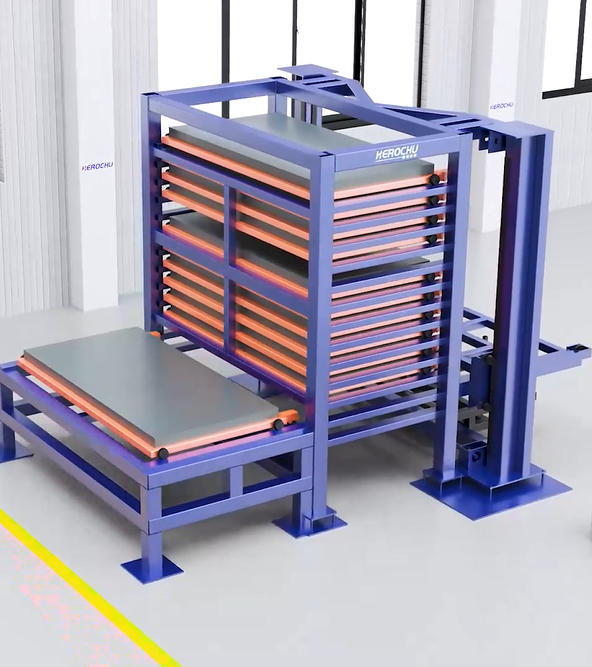
But the depalletizer’s value extends well beyond material protection. Consider inventory control. In disorganized shops, finding the right sheet can take longer than processing it. With a depalletizer integrated into a systematic racking layout—complete with labeled zones and a numbered grid—every piece of material has a permanent, logical home. This structure streamlines picking, reduces errors, and makes cycle counts almost effortless. For ERP or MRP systems to function optimally, accurate physical inventory is essential—and the depalletizer helps ensure that alignment.
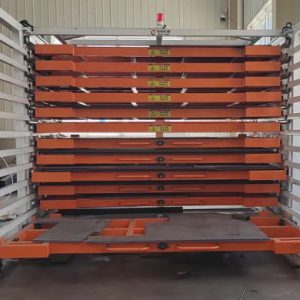
Then there’s space efficiency. Real estate in industrial zones doesn’t come cheap, and wasted floor space is essentially wasted capital. Horizontal stacking requires excessive aisle width and leaves much of the vertical airspace unused. By enabling dense, vertical storage in steel rack pallets, the depalletizer helps facilities increase storage density by 40% or more. Some shops have even eliminated secondary storage areas altogether, consolidating everything into a single, well-organized bay.
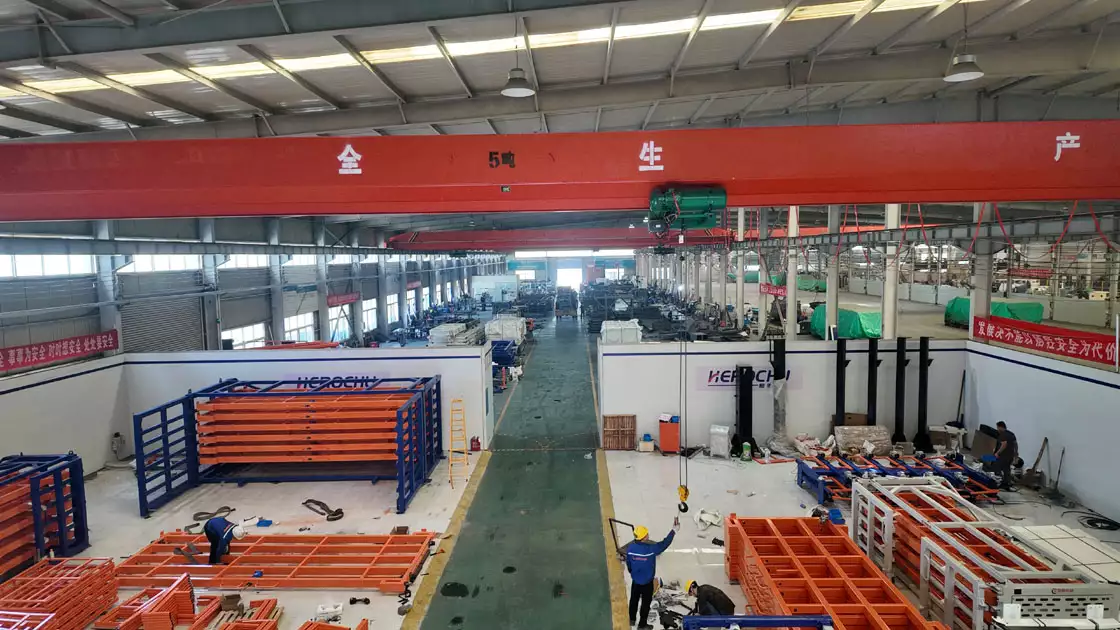
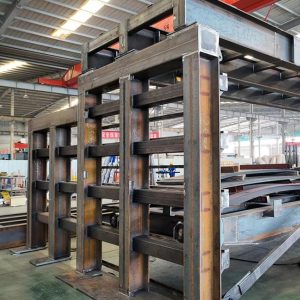
Metal plate destacker and material storage
Safety, however, remains the most compelling argument. Sheet metal handling is inherently hazardous. Loose sheets can slip, edges can slice, and heavy loads can crush. OSHA logs are filled with preventable incidents stemming from poor material handling practices. The depalletizer changes that narrative. By enclosing sheets within secure racks and automating the transfer process, it minimizes human interaction with dangerous edges and unstable loads. Most operations can manage the entire process with one trained operator, reducing reliance on multiple personnel or heavy machinery in congested areas.
Furthermore, the depalletizer supports sustainability goals. Less scrap means less raw material consumption and lower energy use in reprocessing. Efficient space use reduces the need for additional buildings or lighting. And safer workplaces contribute to employee retention and community reputation.
Adoption is easier than many assume. Systems are scalable—from compact units for small job shops to heavy-duty models for high-volume producers. Installation typically takes a day, and operator training is intuitive. Many suppliers offer site assessments to recommend the optimal configuration based on your material mix, workflow, and facility layout.
In conclusion, the sheet metal depalletizer represents a convergence of practicality, safety, and intelligence in material handling. It’s not about replacing workers—it’s about empowering them with better tools. As metal fabrication continues to advance, those who embrace smart, purpose-built solutions like the depalletizer will lead the market in quality, efficiency, and resilience. If you haven’t evaluated this technology yet, now is the time. Your bottom line—and your team—will thank you.
Below are answers to common questions from customers exploring our industrial storage systems for sheet metal, bars, tubes, and profiles. If you don’t see your question here, feel free to reach out—we’re happy to help.
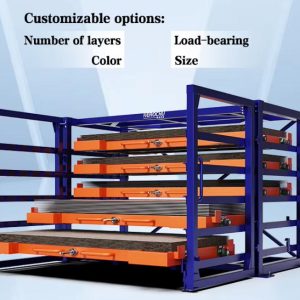
Q1: Can I customize the size, capacity, or finish of the racks? Yes. Every Herochu storage system is built to order. Whether you need a specific height to fit under a mezzanine, a non-standard drawer depth for oversized panels, or a particular powder-coated color to match your facility’s safety coding, we’ll work with you at no extra design cost. Just share your space constraints and material specs, and we’ll engineer a solution that fits.
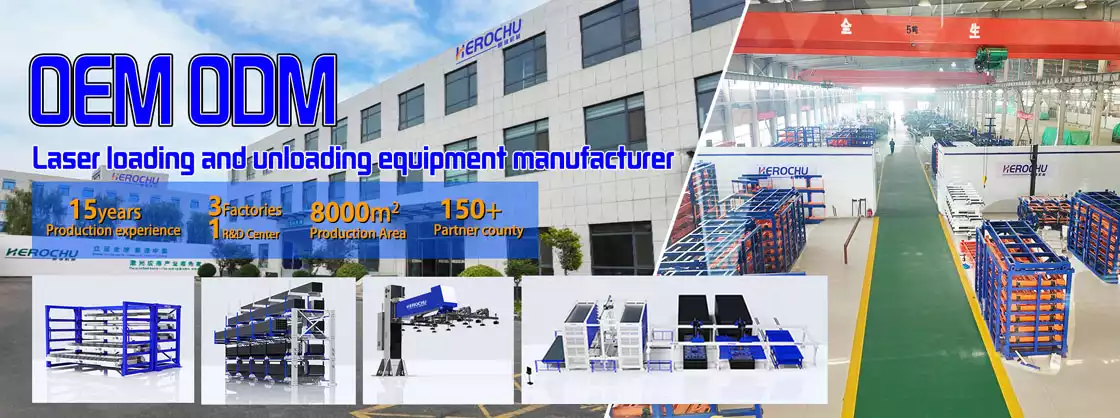
Q2: Are you the actual manufacturer? We are—not a reseller or trading company. Herochu operates its own 10,000-square-meter production facility in Jinan, China, and has been designing and building industrial storage equipment for over 15 years. This allows us to control quality, lead times, and pricing directly.
Q3: Is there a minimum order requirement? No minimums. Whether you need one automated vertical rack for a small workshop or a full warehouse rollout with multiple units, we accommodate all project scales. Single-unit orders receive the same engineering attention and quality checks as large-volume contracts.
Q4: How can I access detailed technical information? Click the “Get a Quote” button on our website to request CAD drawings, load capacity charts, installation manuals, product videos, and 3D renderings. Our sales engineers will also schedule a call to walk you through specifications based on your application—no generic brochures, just relevant details.
Q5: What information do you need to design a storage solution for me? To create an accurate proposal, please provide:
The type of material (e.g., steel sheet, aluminum extrusion, stainless tube)
Dimensions (length, width, thickness/diameter)
Weight per bundle or individual piece
Desired storage density (how much you need to store in a given area)
Any automation requirements (e.g., integration with laser cutters or CNC machines)
You can also simply leave your contact info, and a specialist will reach out to guide you through the process.
Q6: Do you offer automation like robotic arms or gantry loaders? Yes. We design and integrate servo-driven gantry systems, loading robotic arms, and automated material exchange platforms that sync with your existing machinery—especially laser cutting tables. These systems can pull sheets or profiles directly from our vertical racks and place them onto your machine bed, reducing manual handling and cycle time. Tell us your equipment model and workflow, and we’ll tailor the interface.
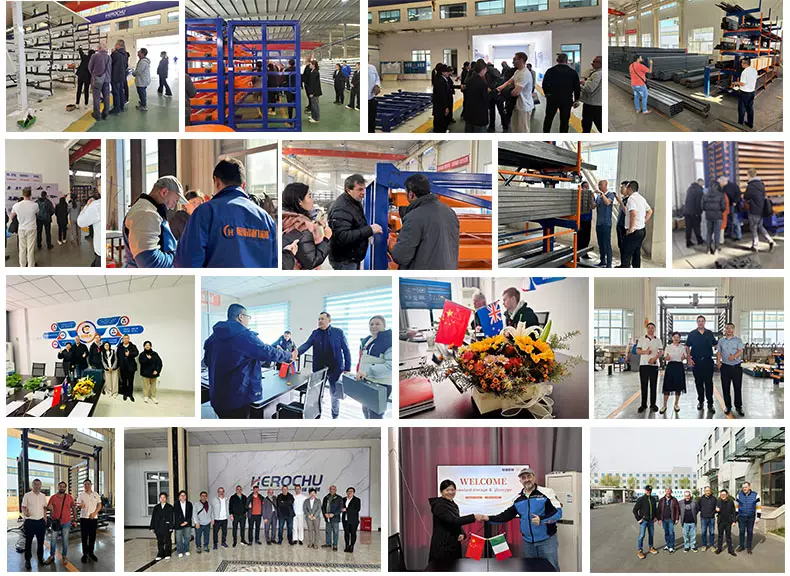
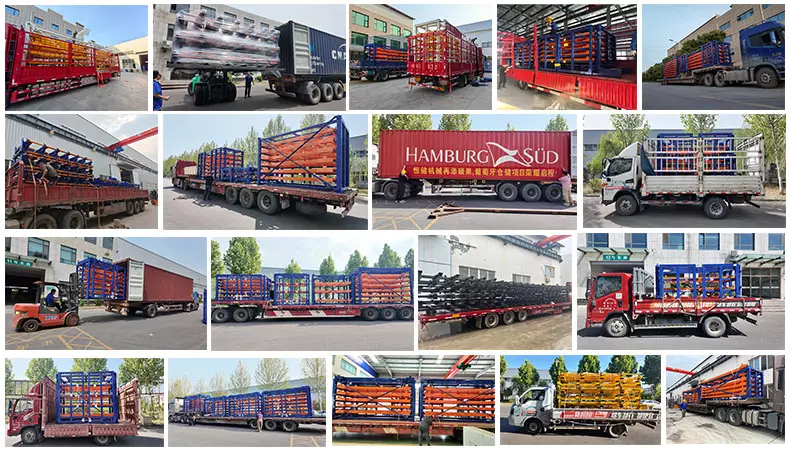
Q7: Do you provide on-site installation support? Absolutely. Our certified technicians travel internationally to handle assembly, calibration, and operator training. We’ve completed installations across North America, the Middle East, Africa, and Asia—including the USA, Mexico, South Korea, Russia, Qatar, Egypt, South Africa, and Lebanon. Remote support is also available for simpler setups.
Q8: How do you guarantee product reliability and safety? Quality isn’t an afterthought—it’s built into every stage:
All structural components use Q235 or higher-grade steel, welded and stress-tested.
Every unit undergoes full-load simulation before shipping.
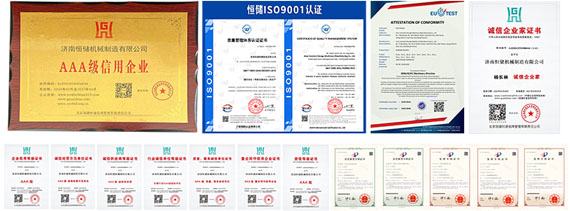
Our in-house quality control team follows ISO 9001 protocols from raw material inspection to final packaging.
All export units carry CE certification, meeting EU mechanical safety standards.
Over 40 experienced engineers support design validation, troubleshooting, and continuous improvement.
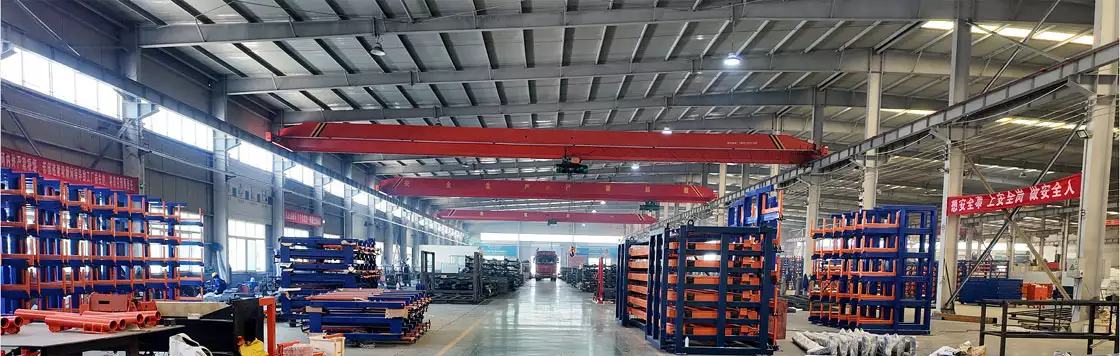
Q9: Where is your factory located? Our manufacturing base is in Jiyang Industrial Park, Jinan, Shandong Province, China. The facility spans 10,000 square meters and includes dedicated zones for cutting, welding, surface treatment, assembly, and testing. We welcome both virtual and in-person visits so you can see our capabilities firsthand.
Q10: How can I verify your production and technical capabilities? We encourage due diligence. You can:
Request a live video tour of our workshop during operating hours.
Review third-party inspection reports or certification documents.
Speak directly with our engineering team about past projects similar to yours.
Visit our factory by appointment—many international clients do.
Transparency is key to long-term partnerships, and we’re confident in what we build.
Q11: What does your company specialize in? Herochu (operated by Jinan Constant Storage Machinery Manufacturing Co., Ltd.) is a high-tech enterprise focused exclusively on intelligent industrial storage solutions. Our core products include:
Automatic vertical sheet metal warehouses
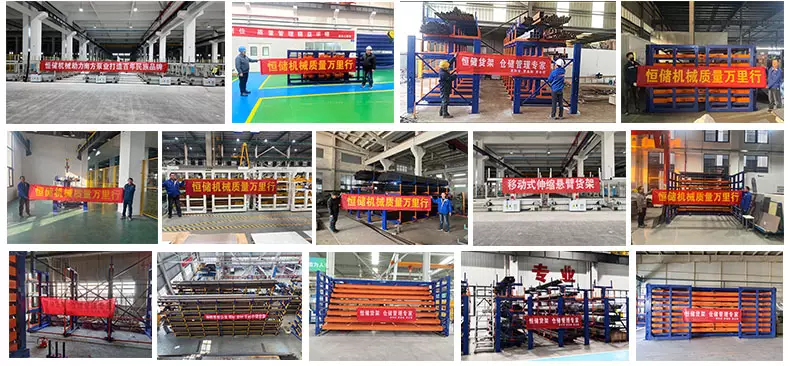
Drawer-style roll-out racks for plates and remnants
Heavy-duty cantilever racks for long bars and pipes
Servo manipulators and gantry loading systems
Fully integrated material handling lines for laser and plasma cutting cells
Backed by advanced fabrication equipment and a team of mechanical, electrical, and automation engineers, we serve metal fabricators, aerospace suppliers, construction material distributors, and renewable energy manufacturers worldwide—delivering systems that are not only strong and safe but also smart, scalable, and built to last.
If you’re ready to replace floor clutter with precision storage, we’re ready to help you design it.